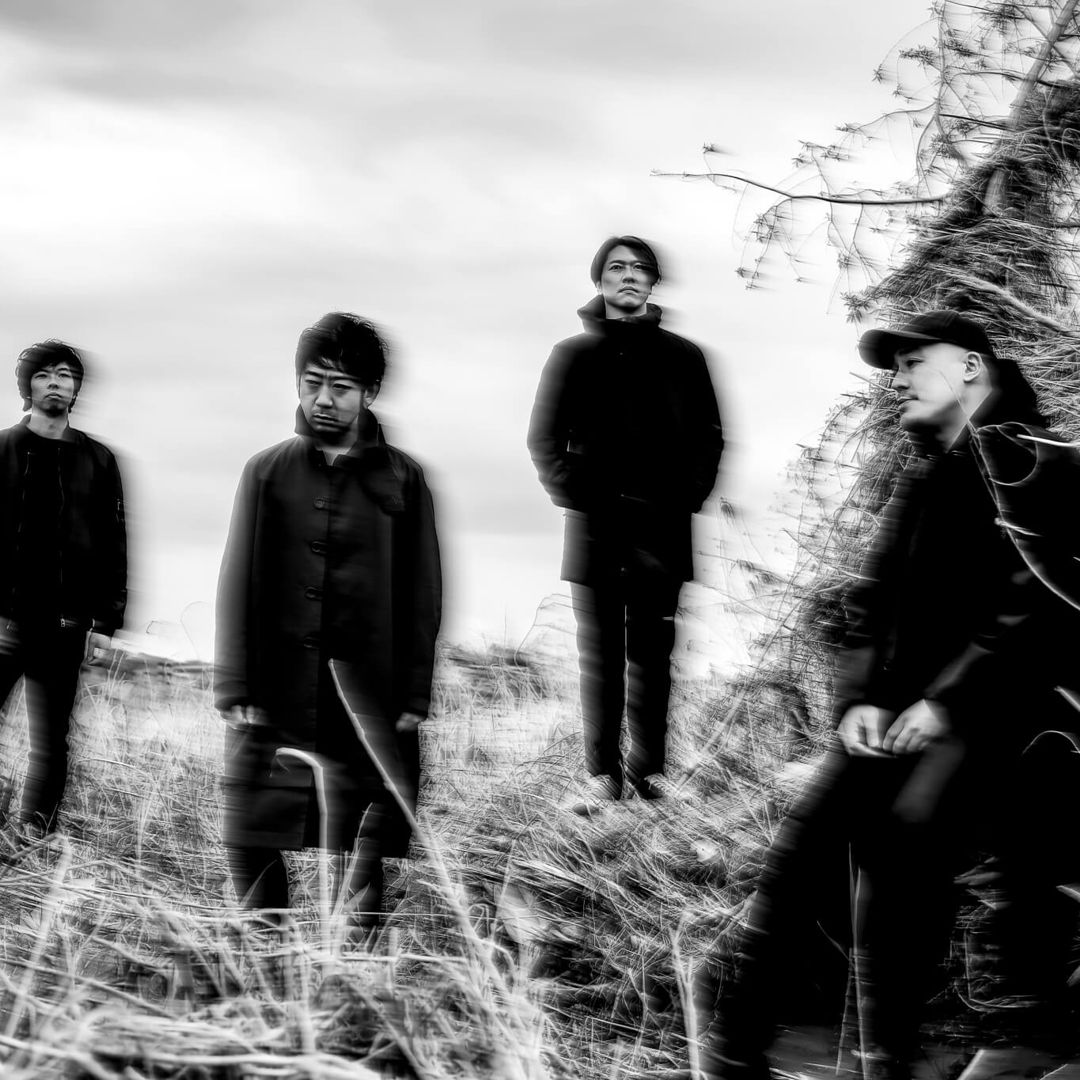
Seven songs, orchestral detail and a hardcore pulse that refuses to settle. ‘The End of Purification’ brings the Tokyo band back with a bigger sound — and some unfinished business between beauty and outright abrasion.
Nine years between albums gives an audience plenty of time to decide what your next record should sound like. Conveniently, they don’t have to write it.
HEAVEN IN HER ARMS last left us with ‘White Halo’ in 2017: a meeting of screamo urgency, blackened guitars and expansive post-metal. Their fourth album, ‘The End of Purification’, arrives through BANSHIES (Celeste, Hexis, The Prestige…) with those instincts intact and considerably more happening around them.
Piano, strings, keyboards and bells enter the arrangements often enough to change their direction. They establish unease, carry melodies between eruptions and remain audible beneath the heavier passages. The orchestral elements have responsibilities here. The bells aren’t getting away with looking decorative.
“Dawn Yarn” establishes the scale immediately. Featuring PG2 of ENSLAVE, the opener moves through sweeping introductions, tremolo-driven attacks and slower, punishing impacts. Drummer Hiroki Watanabe gives those transitions their physical consequence: an acceleration tightens the pressure; a half-time passage makes the same space feel much heavier.
It’s an opening statement with the ambition of a closing one. Apparently, saving something for later was discussed and rejected.
That confidence comes from a band with its own history inside Japan’s underground. Envy offer familiar ground through emotional hardcore and spacious guitar writing; Deafheaven and Svalbard through melodies that make the abrasive passages hit harder.
There’s something of Cult of Luna in the sustained pressure, and MONO in the patient unfolding of instrumental passages. HEAVEN IN HER ARMS keep those possibilities in uneasy proximity: a passage offering shelter can become unstable very quickly. Even the delicate details sound ready to pick a fight.
When heavy music becomes beautiful, why do we assume it has become less confrontational?
“The Moon That Falls Only Here” puts that assumption under pressure. Its swaying rhythm and recurring piano figure establish a foothold, before the lurching weight underneath makes it considerably less secure. The delicate details remain. They simply stop feeling reassuring.
Across the album, Kent Aoki’s voice works through a similar range of distances. Spoken passages draw the listener closer; strained screams make that closeness difficult to maintain. Urgency, exhaustion and restraint register through the delivery, even before a translation helps unpack the words.
“Spilt Prayers”, featuring Netako Nekota, opens another possibility. Her clean voice introduces a different kind of exposure into music already carrying considerable pressure. The contrast makes the surrounding aggression feel more vulnerable, too. Force begins to sound like something struggling to hold everything together.
That is where the record’s concerns with loss, memory and grief become compelling. They take shape through the arrangements: a melody returns in altered surroundings, a quiet passage leaves something unresolved, another surge arrives before the previous one feels fully absorbed.
The band allow beauty to complicate the experience. A piano line can make an eruption harder to shake because you remember what was there before it.
There is a cost to that scale. Anyone attached to the rawer edges of earlier HEAVEN IN HER ARMS may find the polished drums and orchestral breadth imposing. With seven substantial compositions, the record offers limited opportunities to step outside its atmosphere. Some listeners will want more breathing room; others will hear that enclosure as part of its pull.
Either way, checking your emails halfway through seems ambitious. Expect to reread them.
“Red Dream” brings those tensions into the closing ascent. Bells and keyboards remain part of the climb, giving the heavy guitars something to respond to beyond another instruction to get louder.
That gives this return its purpose. HEAVEN IN HER ARMS revisit a language they helped develop and ask how much more it can accommodate: orchestral colour, exposed melody, a wider emotional range. The hardcore urgency keeps those additions under pressure.
Nine years have passed. They’ve found plenty more to say.
They’ve widened the sound. Getting comfortable remains your problem.