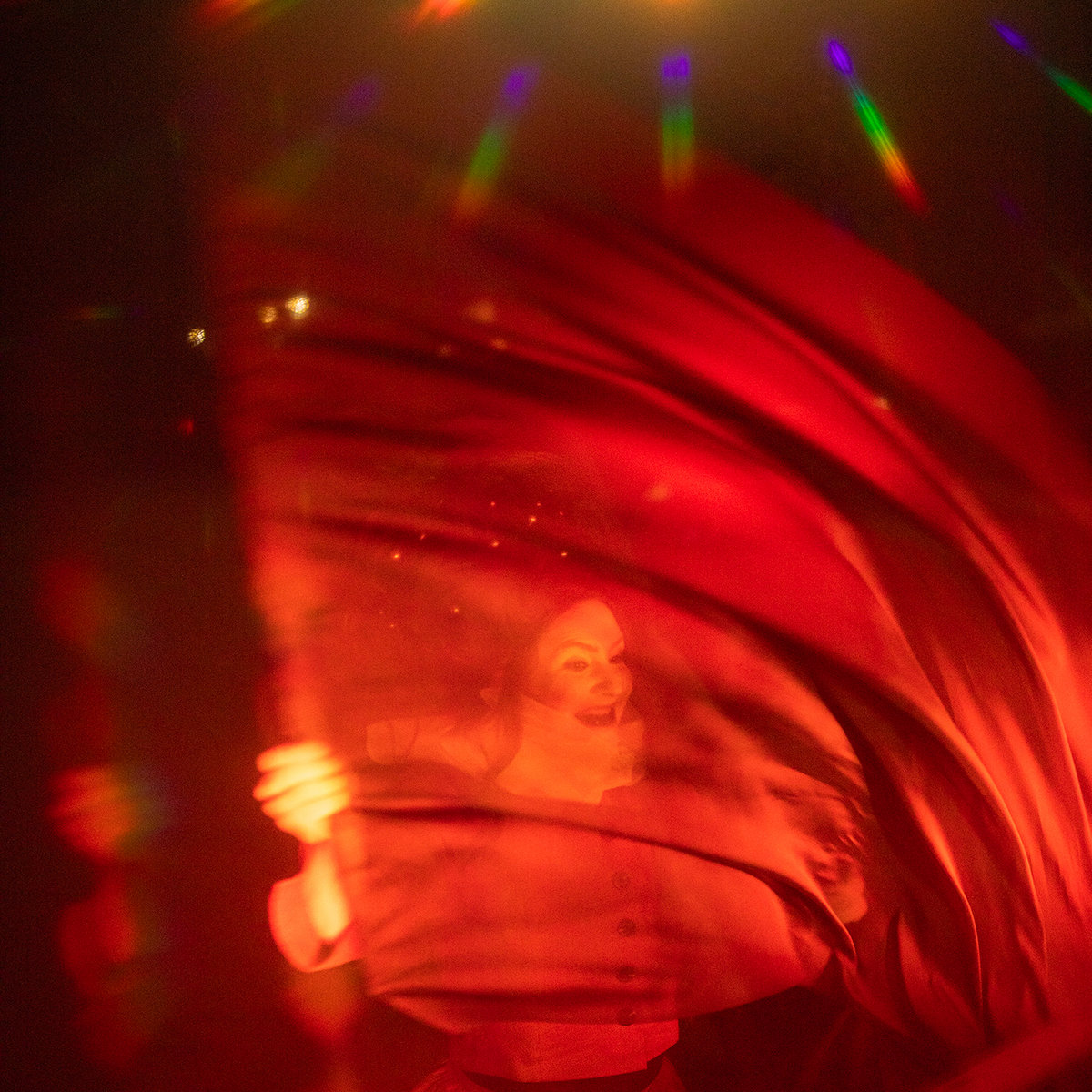
On her new album ‘These Killing Times’, Emma Ruth Rundle faces a fractured world with feminist anger, a full band and a renewed appetite for connection. Hope, it turns out, can make quite a substantial noise.
The world has been doing a remarkably thorough job of providing difficult album material. A little less inspiration would be perfectly welcome.
Emma Ruth Rundle has responded with ‘These Killing Times’, released on September through her own imprint, Errant Child. Faced with plenty of reasons to withdraw, she made a conscious decision to reach out. And she brought musicians. Sensible. The group chat can only do so much.
After the exposed piano and guitar of ‘Engine of Hell’, Rundle returns to a full-band setting. Jess Gowrie, familiar to Chelsea Wolfe and Mrs. Piss listeners, takes the drums; longtime collaborator Troy Zeigler plays bass. Nick Reinhart, Gina Gleason, Patrick Shiroishi and Marissa Nadler are among the guests, with Rundle and Sonny Diperri sharing production duties.
That gathering is central to the story. An album concerned with community takes shape through people contributing their own voices, listening and leaving space for others. Collaboration becomes something you can hear.
There are familiar meeting points here for listeners of A.A. Williams, Chelsea Wolfe and PJ Harvey. The intimacy opening into something physically imposing recalls Williams; the tenderness threaded through dark, distorted textures finds company in Wolfe’s world. Harvey comes to mind in the willingness to let private feeling confront public conflict—to give anger character, direction and a voice you recognise.
Emma has spent years developing her own approach to those territories, through atmospheric rock, folk and her work with Thou. On ‘These Killing Times’, that language opens out further.
One touchstone she names is Smashing Pumpkins’ ‘Siamese Dream’: its ability to turn angst into something expansive and energising. There’s a particular pleasure in that kind of music, where a song can acknowledge how dreadful everything feels and still leave you with the energy to get out of your chair.
The details remain close, too. Nylon-string guitar retains its tactile presence within the fuller arrangements. You can make a substantial noise without losing the sound of a person in the room.
“Powerless” confronts corrupt power; “God’s Picture” makes space for Shiroishi’s saxophone. “Catherine Wheel” brings a ’90s alternative-rock pull, while the eight-minute-plus “Human Kindness” lets the ensemble stretch out before “Oceans of Time” returns to piano and shared voices.
Across those different settings, the question becomes: what can heaviness help us carry together?
The album’s feminist anger addresses patriarchal power, with capitalism, Christian nationalism and environmental catastrophe also within its field of vision. Love and companionship remain part of the picture. Pursuing hope under those conditions takes some resolve. The title alone suggests nobody arrived wearing rose-tinted glasses.
That is what makes this chapter worth spending time with. Rundle gives frustration somewhere to go, and connection something to do. Tenderness becomes a deliberate act in circumstances that make it difficult.
For those of us who regularly seek comfort in music loud enough to concern the neighbours, that feels like a conversation worth having.
Pull up a chair. Hope has brought company. We’ll make room.